

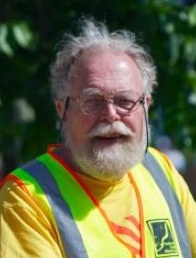
Joe Yuhas
[Note: This article appeared in the Spring 2014 Newsletter. The full newsletter can be viewed in this pdf document]
By Brenda Edmands
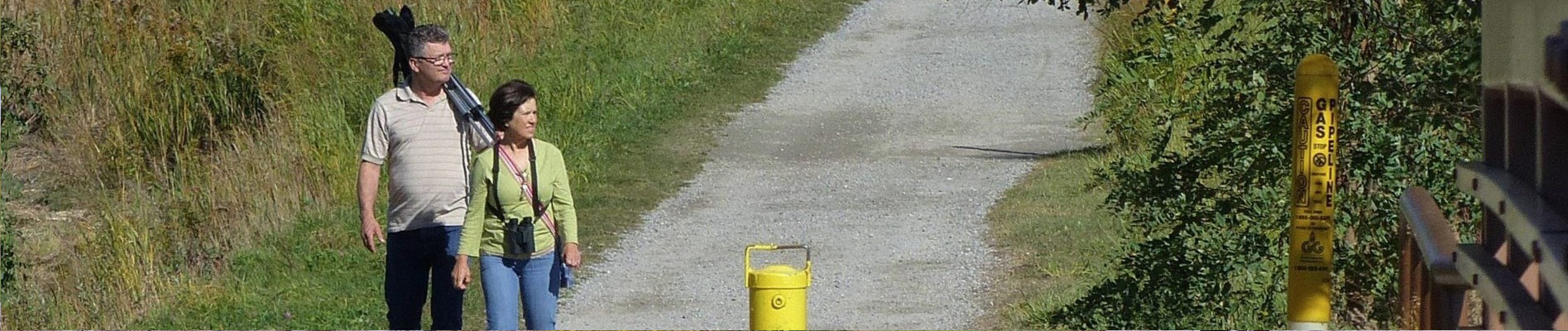
 The ET provides a space for recreation, transportation and socialization for all users. And sometimes it provides a lift when your life has hit some rough patches.
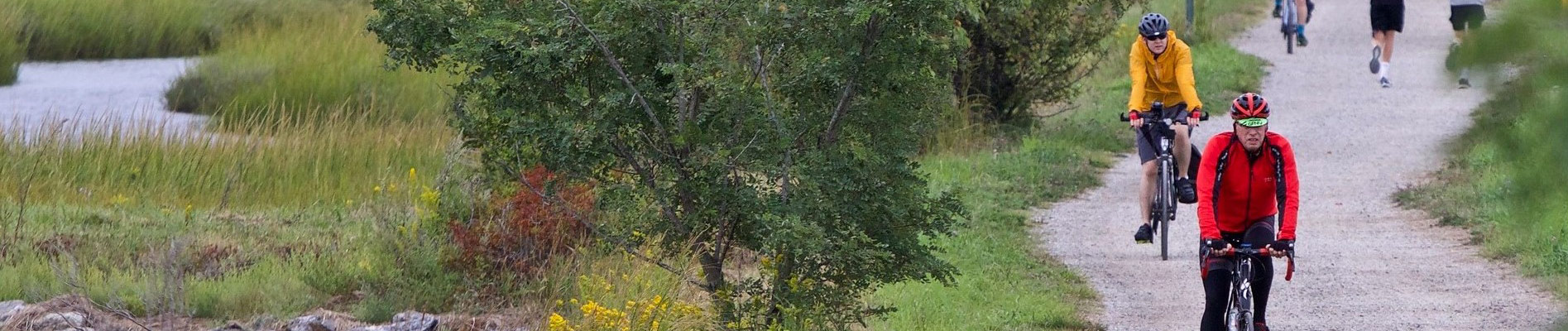
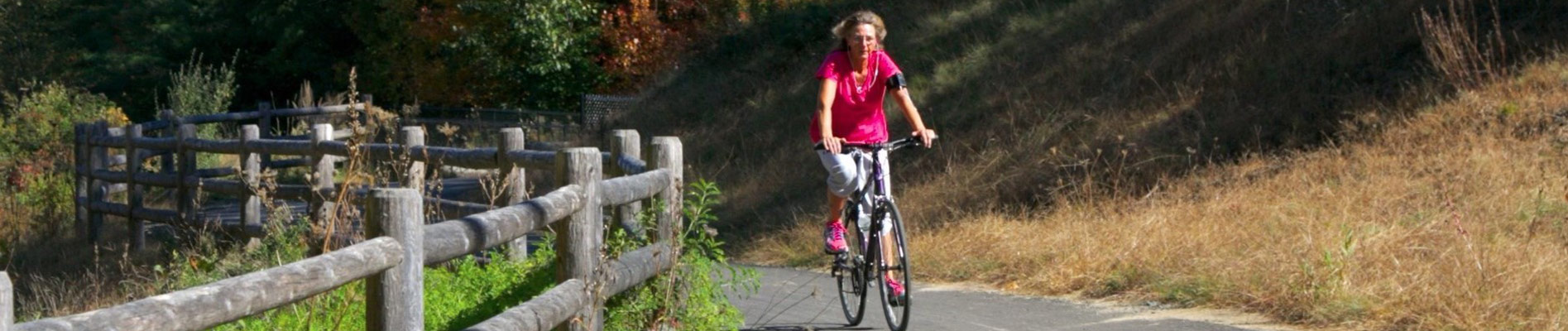
When Joe Yuhas’ wife Delpha was going through some intense stages of her illness, she and others urged Joe, her primary caregiver, to take a break each day. Her doctor’s office was on Route 1, near Scarborough Marsh. So, as Joe explains, “I would throw my bike in my truck, go to the doctor’s to pick up her prescriptions, then ride the trail for an hour or so,”
The exercise, the beauty of nature and the change always helped him find a path back to at least a small sense of balance. Shortly after his wife’s death, the dedication of the KAB section of the ET close to his home only reinforced the positive feelings he had about the trail.
It has seemed only natural, then, over the past three and half years for Joe to volunteer more and more frequently for the ETA.
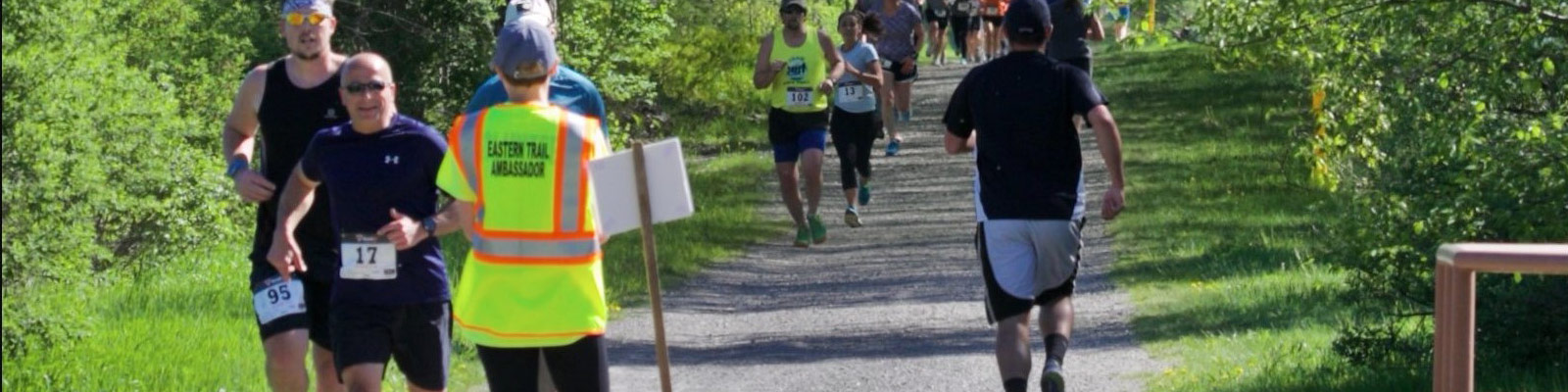
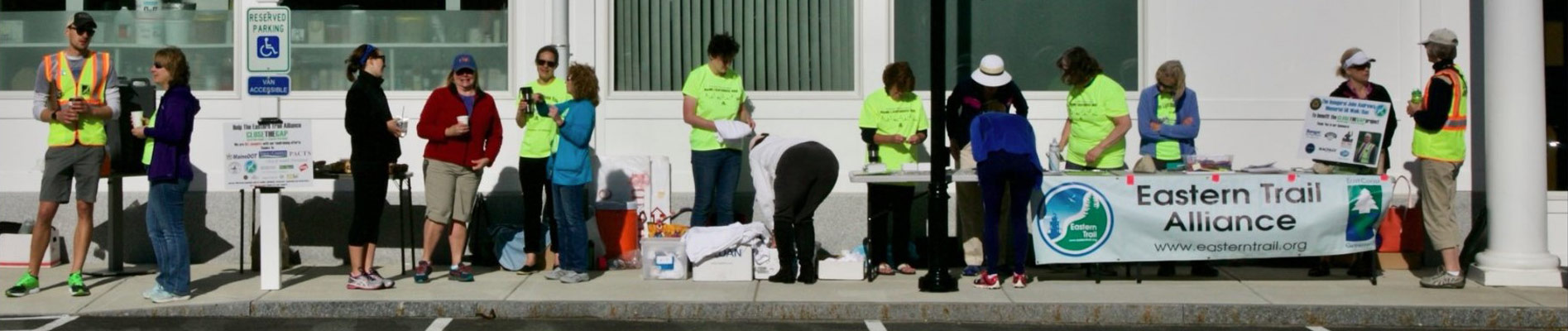
He had already been volunteering for “small tasks here and there” for some time after meeting John Andrews in the parking lot of Saco’s Dyer Library. As Joe puts it, “Next thing I knew I was stuffing envelopes.” (This is a frequent experience of those who meet JA.) He’s still helping with mailings, but he’s now also serving as a trustee and trail ambassador, and as a Sag wagon driver for the Maine Lighthouse Ride. He also staffs information booths at such events as school health and wellness fairs, attends community meetings, and gives talks to groups about the trail. Whew!
A former head of the life sciences department at St. Francis in Biddeford (later UNE) and biology teacher at Kennebunk High School, where he started their oceanography program, Joe is really in his element when sharing his knowledge about the natural life along the trail. This is readily apparent when he is leading one of the ETA’s increasingly popular full-moon walks/snowshoes/skis. He says the walks “take me back to my graduate school days when I worked as a naturalist for the Columbus, OH, Metropolitan Parks.” He also enjoys how the walks are making him brush up some dusty corners of knowledge about birds and plants.
He doesn’t know if it’s because of his experiences with the ET or not, but recently he began teaching indoors again, too, leading a course in Natural History at York County Senior College.
His favorite natural encounters so far on the ET are baby snapping turtles crossing in front of him and the one beaver he spotted near the site of last year’s trail flooding. “It was around 40 pounds,” he said. While he acknowledges it probably helped to build the dam that caused the trail damage, from his description you can’t help feeling that he might be rooting, just slightly, for the beaver.
Joe enjoys the people he gets to meet as well.This winter he led a moonlight walk with a large group on snowshoes, including many Boy Scouts and their troop leaders.He’s also been impressed by users he’s encountered in warmer times, like the woman from Nova Scotia who was riding the East Coast Greenway (which ET is a part of) all the way from Halifax to Cape Cod, her bike fully loaded with gear. He also finds it somehow reassuring to see his own cardiologist regularly riding the trail.
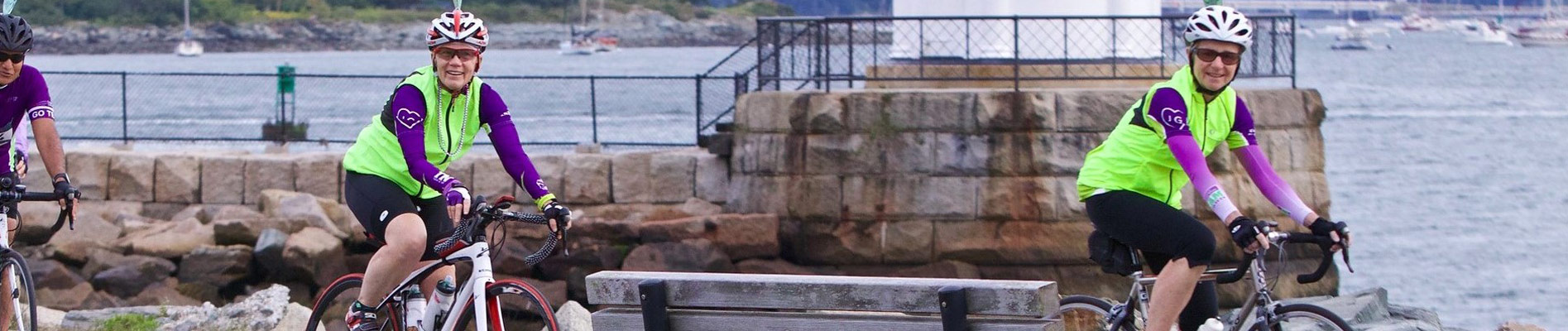
He wouldn’t say he “necessarily looks forward to having to rescue people” as a Sag wagon driver during the annual MLR, but he admits, “I do find it gratifying” to assist those in need. And though he worries that it sounds “cheesy,” he says what he really likes best about helping at the ride is “cheering the riders in as they come across the finish line.”
Have we mentioned how very, very lucky wefeel to have Joe volunteering for us?
Share this Story:
 Facebook
 Instagram
 YouTube
 X/Twitter